Relationships · Article
Hearing One Another in the Family: Roles, Responsibilities and Shared Space
Making visible the needs and unshared burdens behind recurring friction at home.
The same home, different experiences
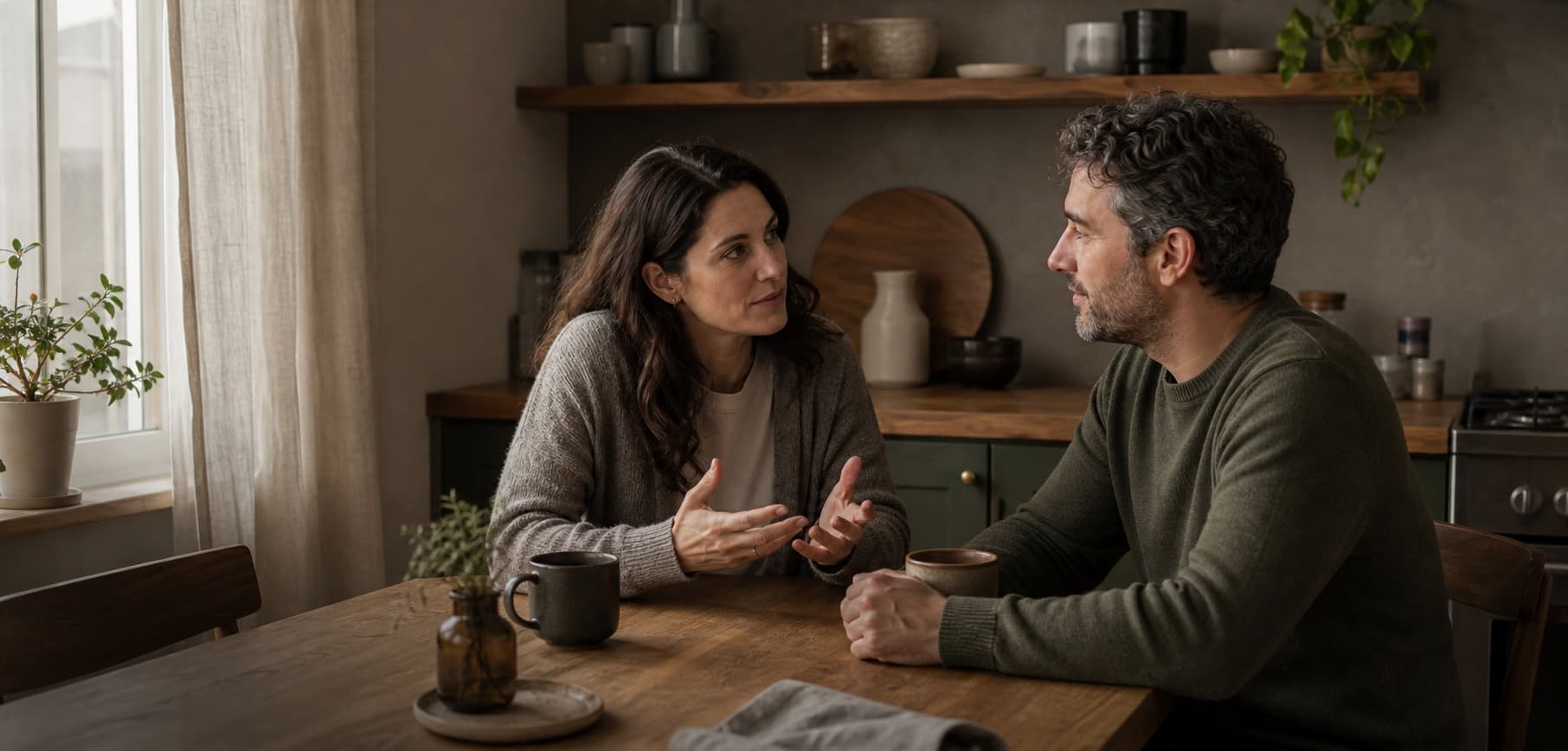
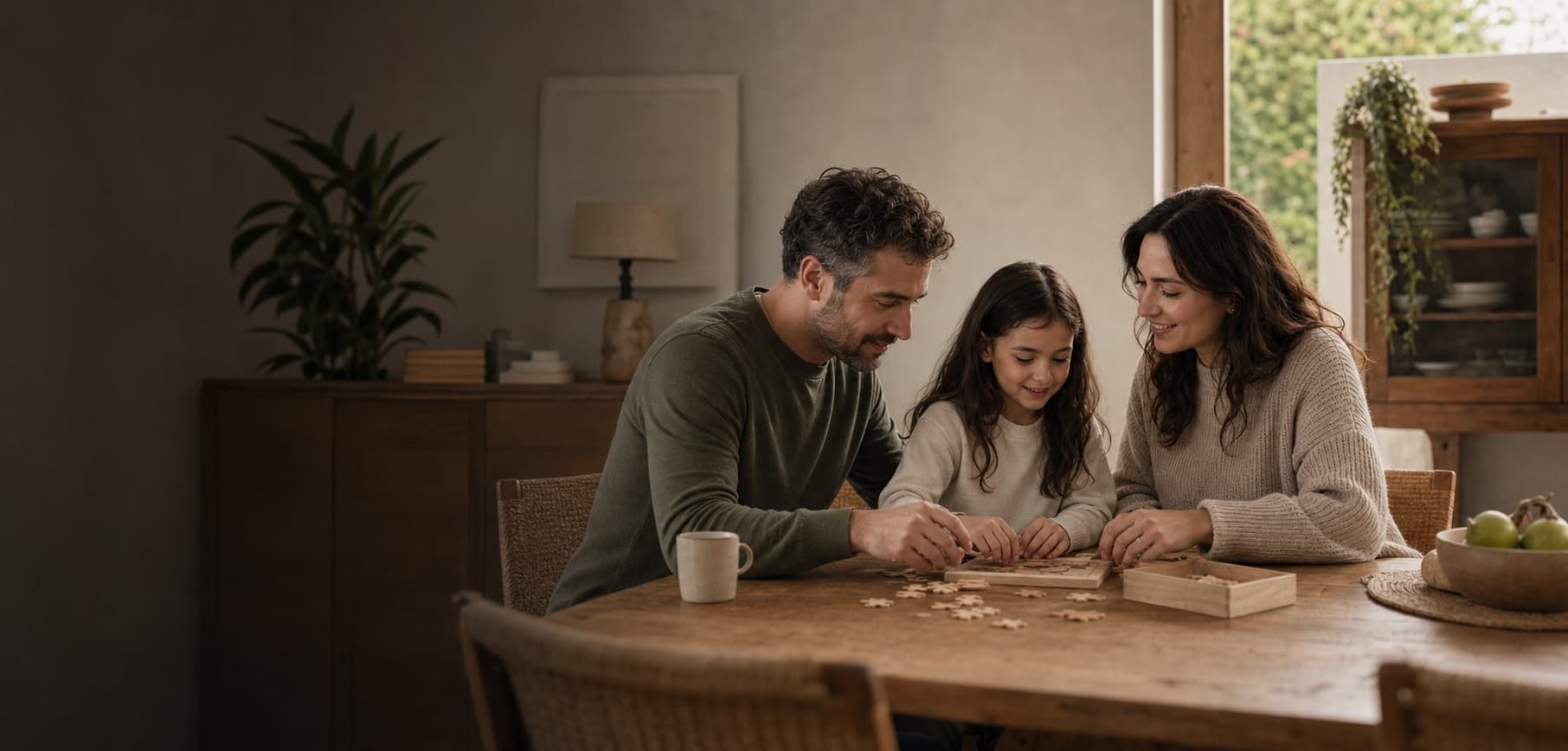
Family members who share the same evening may describe that day very differently. One may feel they keep track of everything while another feels their effort goes unseen. A child may feel there is no room for them in a conversation adults consider ordinary. These different accounts can be heard without trying to identify one correct story.
Work around family and marriage is not limited to stopping arguments. Household responsibilities, how decisions are made, the influence of those close to the family and each person's own space are also part of the conversation. Rather than treating a difficulty as solely a characteristic of one person, attention turns to how it takes shape within relationships.
Making invisible work visible
The load of running a home is more than the tasks that get done. Noticing which supplies have run out, remembering appointments, following school messages or planning a relative's care also takes effort. Sharing only the final task may leave all the planning with the same person. Naming this difference can move the conversation away from a competition over who is more tired.
Think about one week of shared life. Who notices, plans and completes each task? Taking responsibility for a task from start to finish can differ from helping with it. As people's time, capacity and needs change, the division can be discussed again; an arrangement made once does not have to remain the same for ever.
Setting boundaries while allowing differences
Being a close family does not mean everyone thinks alike or has access to every piece of information. One person's need to be alone can coexist with another's wish for shared time. Discussing these needs through a specific time and action may be clearer than general statements that measure love.
Listening to children's views does not mean handing them the burden of adult decisions. Age-appropriate choices can be offered while adults retain responsibility for safety and care. Children can be included in family life without becoming mediators, messengers or an adult's sole emotional support.
Choosing one change
Instead of discussing the whole past in a family conversation, you can choose one difficulty from this week. If getting ready in the evening repeatedly becomes tense, for example, first look at how that half-hour unfolds. After hearing one need from each person, try a small adjustment. Reviewing what helped and what was difficult a week later tests the agreement against real life.
Not everyone may be able to speak equally during shared time. Leave space for a quieter person to express their view without making speaking compulsory. Someone may wish to think and share later. Keeping a brief, clear account of decisions makes it easier to notice differences in understanding afterwards. When something changes in the family, you can ask again about capacity and needs rather than automatically holding everyone to an old agreement.
The limits of joint meetings
If you are considering professional support, who will attend, confidentiality and the purpose of joint meetings should be clarified at the outset. Where there are threats, violence or coercive control, it may not be safe for everyone to speak around the same table; a separate safety assessment comes first. The aim is not to declare one form of family ideal, but to attend to the needs and safety of the people in that family.
Sources and reading note
This article draws on general information supported by the sources below. The examples are intended to help you reflect; they do not provide an assessment of your individual circumstances.
An independent professional review of this content has not yet been completed.
You can approach this subject at your own pace.
You can explore the information in the related area of support. New appointment requests are temporarily paused.
Keep reading
Other articles approaching related subjects from a different perspective.